Ahmedabad-based textile major Arvind Limited is bringing 3D weaving to its shop floor. The company has tied up with US fashion-technology firm unspun to install unspun’s OneWeave system at its Ahmedabad facility, which the partners describe as the technology’s first deployment at a global Tier-1 manufacturing unit.
What the deal covers
In the first phase, Arvind will install two industrial 3D weaving machines, with production expected to start by December 2026. The partners have also mapped out a route to more than 30 additional machines across India and North America during 2027–28, subject to demand from global apparel brands.
unspun will handle installation, commissioning, training, software and ongoing technical support. Apparel brands, meanwhile, will contract directly with Arvind for manufacturing. According to the companies, several global brands are already lining up production programmes, and with capacity initially limited to two machines, slots will be allotted on a first-come, first-served basis.
Garments straight from yarn
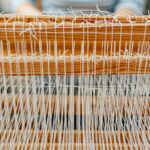
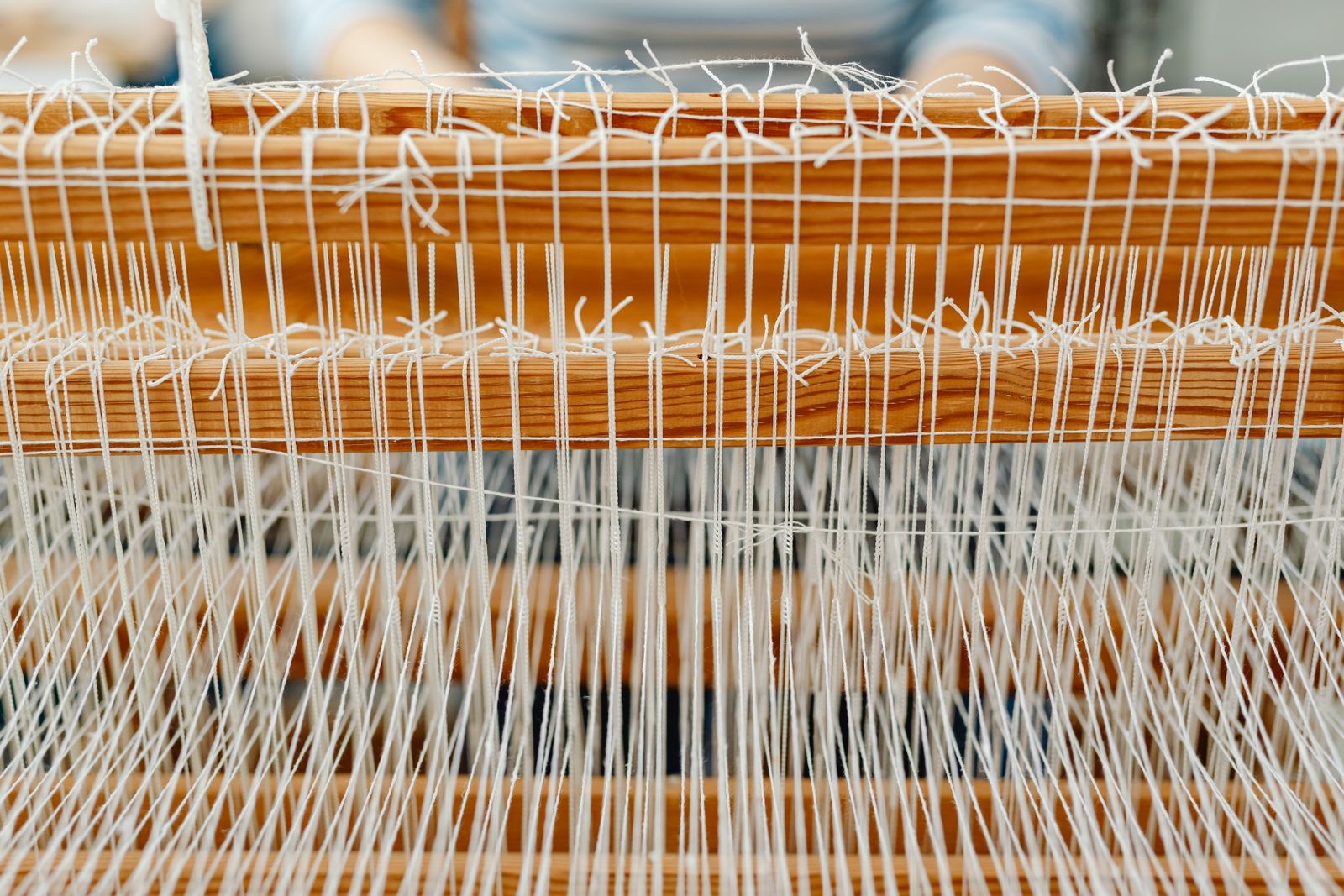
OneWeave skips the conventional step of producing flat fabric. Instead, it weaves three-dimensional garment shapes directly from yarn, doing away with most of the cutting and sewing involved in traditional garment-making. unspun says a single pant leg can be woven in about 10 minutes, and each machine can turn out roughly 20,000 pairs of trousers a year.
The pitch to brands is speed and less waste: shorter production cycles, better material utilisation, and lower exposure to excess inventory and markdowns. By producing closer to demand and end markets, brands could rely less on long-range forecasting and bulk orders.
Karan Ojha, CEO of Arvind’s Wovens Business and Centre of Excellence, said the technology could simplify manufacturing, improve material use and support faster replenishment cycles, as brands increasingly ask suppliers for shorter lead times and more flexible production.
Why it matters
For India’s apparel export sector, which competes on cost and scale, on-demand and near-shore manufacturing technologies are becoming a key differentiator as global buyers push for agility. Arvind’s early move positions it to offer brands a low-waste, fast-turnaround option alongside its conventional denim and wovens capacity.
Source: ETRetail